
Long and Short-Term Storage Options in Melbourne
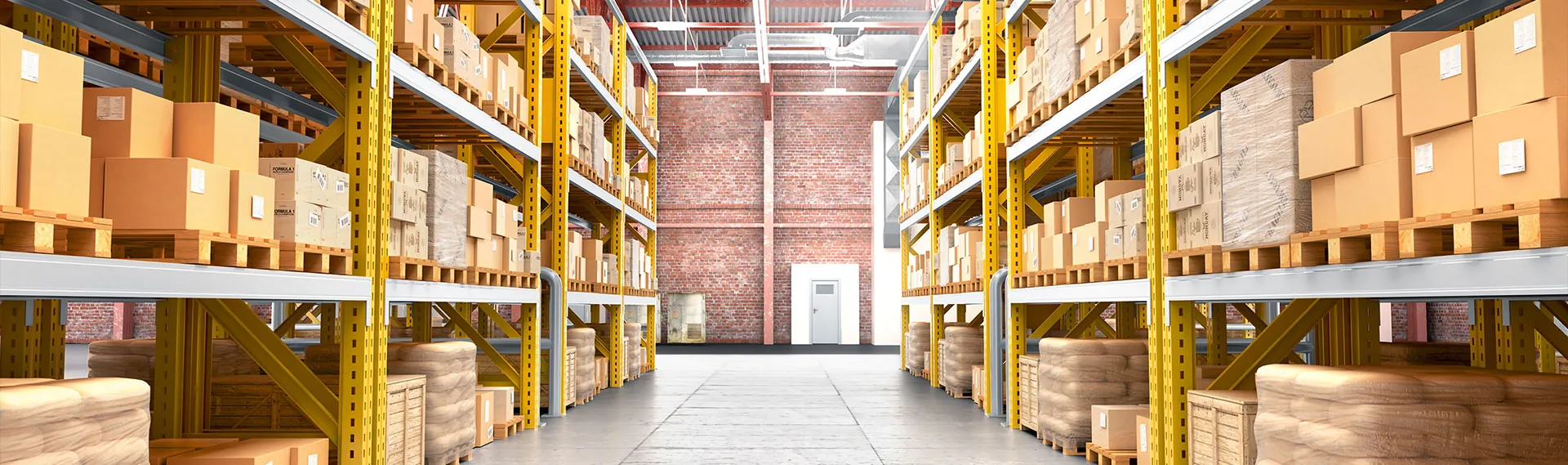
Storage options in Melbourne come in a few types, and most of them work for either a short or a long stay: self-storage units you fill yourself, mobile or container storage delivered to your driveway, warehouse space for business stock, and removalist storage where the moving crew collects your furniture, stores it and delivers it back. Which one suits you depends on three things: how long the goods will be away, how often you need to get at them, and whether you want to do the carrying yourself.
Short-term storage in Melbourne
Short-term storage covers anything from a week to a few months. The usual triggers are a gap between settlement dates, a renovation, a trip overseas, or a downsize where you want time to decide what stays. Facilities across Melbourne offer month-to-month terms for this, so you are not locked into a long contract.
Self-storage units: Self-storage is the most common option. You rent a lockable unit at a facility, drive your goods there and stack them yourself. Units range from a locker for a few boxes to a garage-sized space for a full house, and many facilities offer climate-controlled units for goods that suffer in heat or damp. Access is usually daily within set hours, which suits people who want to drop in and collect things during the stay.
Mobile storage: A mobile storage company delivers a module to your home, you load it at your own pace, and they collect it and hold it at their depot. It saves the trips to a facility, but you still do the packing and loading, and access to the module while it is stored is limited or booked in advance.
Container storage: For larger volumes, a shipping container can be delivered to your property or kept at a secure yard. Containers are steel and weatherproof but not climate controlled, so they suit tools, machinery, outdoor furniture and vehicles better than timber furniture, mattresses and documents.
Long-term storage in Melbourne
Long-term storage runs from several months to years. Common reasons are an overseas posting, a long stint of travel, an estate that needs time to settle, or furniture you want to keep but cannot fit into a smaller home.
Warehouse storage: Businesses that need to hold stock, equipment or archives usually rent racked space in a warehouse. Some warehousing operators add inventory management and dispatch, so the warehouse becomes part of the supply chain rather than just a room.
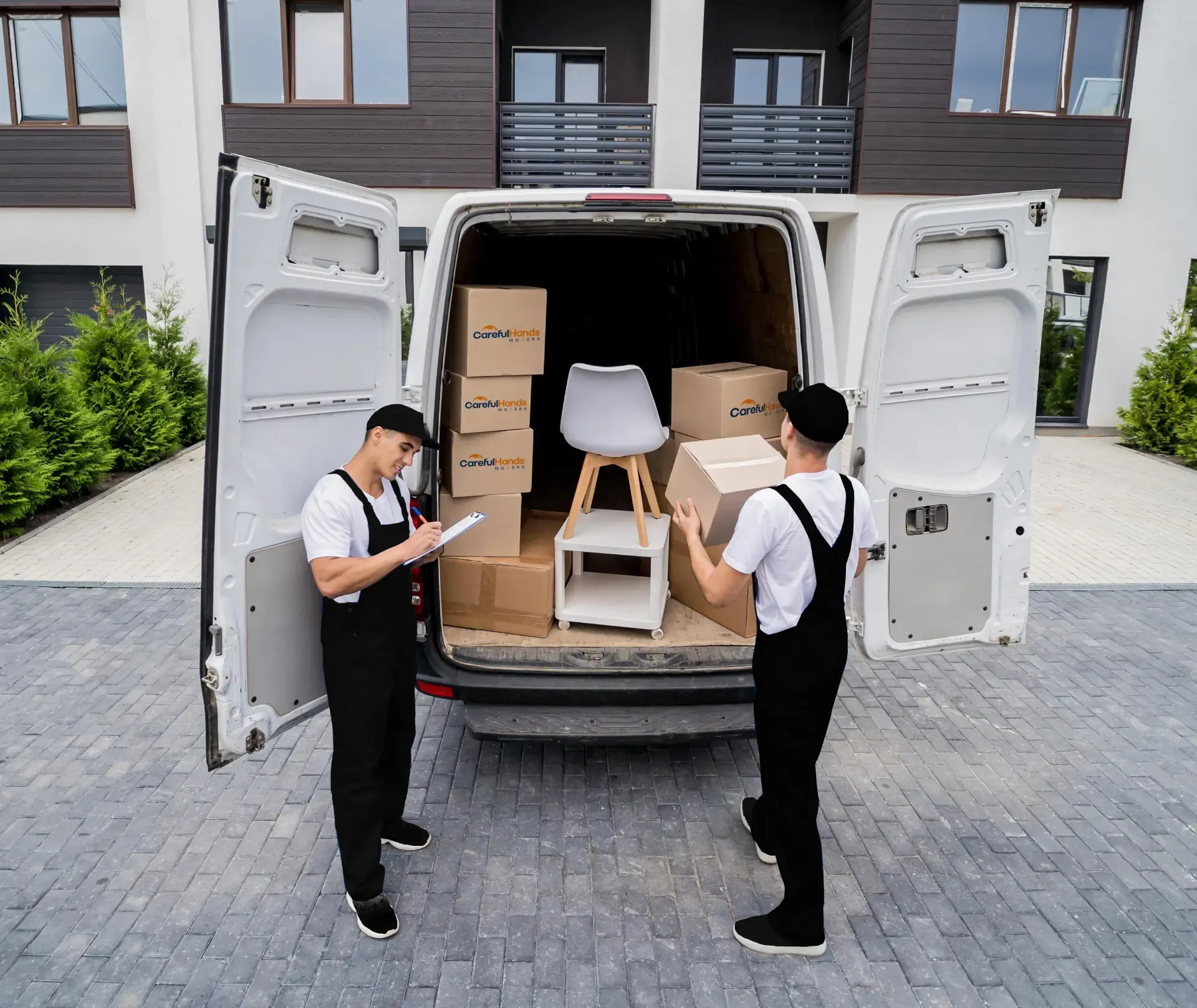
Removalist storage: A removalist with its own facility collects your furniture, wraps it, stores it and delivers it back when you are ready. You do not visit the facility or handle the goods, which makes it the low-effort option for a long absence. Because the same crew moves the goods in and out, there is no double handling between a hire truck and a self-storage unit.
Specialised storage: Wine, artwork, musical instruments and archives sometimes need tighter control of temperature and humidity than a standard unit offers. Specialist facilities exist for these items, and they charge for the tighter control.
Choosing the right storage option
Compare facilities on the points below before you sign anything.
Access: Decide how often you will need to get at the goods. If the answer is often, choose a facility near home or work with long access hours. If the answer is never until move-in day, removalist storage is simpler, and you are not paying extra for a location that is convenient for you to reach.
Security: Look for surveillance cameras, gated or coded entry, individual locks and a facility that is staffed during business hours. Ask how they handle after-hours access.
Size and conditions: Measure your load rather than guessing so you are not paying for empty space. Timber furniture, leather, mattresses, electronics and paperwork are all better in a climate-controlled space, particularly over a Melbourne summer or a damp winter.
Cost: Compare the monthly rate, but also ask about minimum terms, access fees, insurance requirements, and what it costs to have goods delivered in and out. A cheap unit on the far side of town can cost more once you add two hire-truck days.
Reviews and reputation: Read recent reviews and ask how long the operator has run the facility. A storage provider that also runs removals is easier to check because the same reviews cover both sides of the job.
Preparing goods for storage
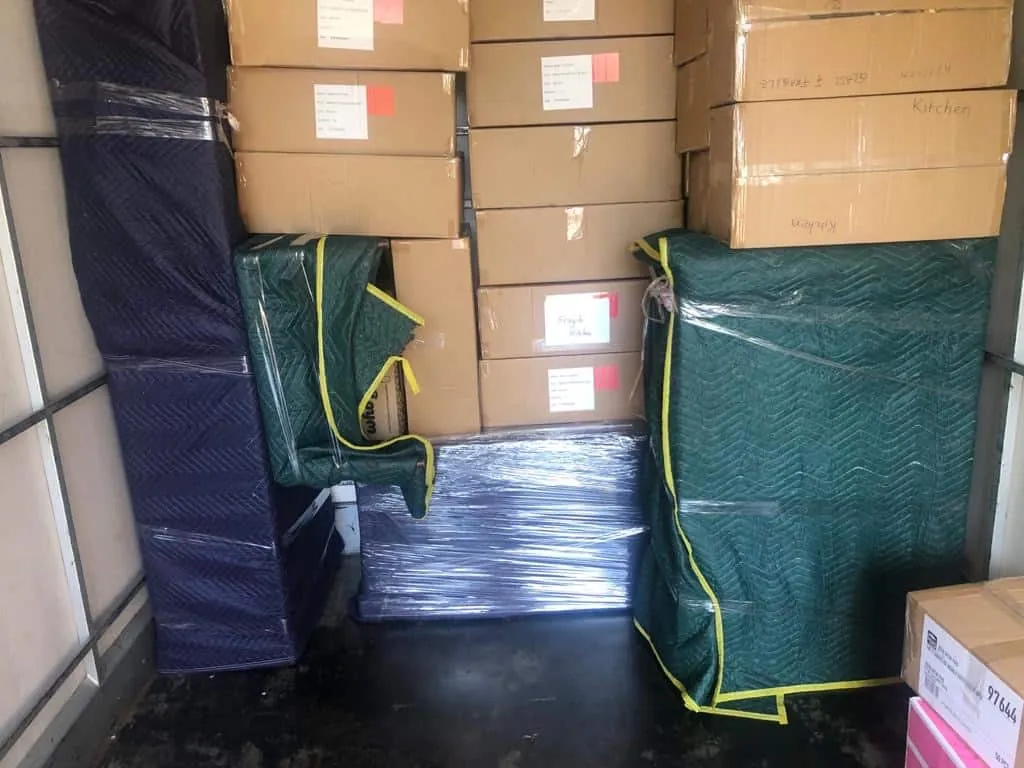
A little preparation prevents most storage damage. Clean and fully dry fridges, washing machines and dishwashers, and leave their doors ajar so mould cannot form. Dismantle bed frames and dining tables so they stack flat, and tape the bolts to the piece they belong to. Wrap timber and upholstery in blankets before any plastic goes on, because plastic straight against fabric traps moisture. Pack boxes to the top so they do not crush, label every one on two sides, and keep an inventory on your phone. Anything you might need during the stay, such as passports, tools or seasonal clothing, should go in last and nearest the door, or stay out of storage altogether.
Storage with Careful Hands Movers
We store household and office goods in a climate-controlled facility with 24/7 surveillance, whether that is a week between settlements or years while you are away. Our crew collects the furniture, wraps it in blankets and plastic, straps it in the truck and delivers it back when you say the word, so you never hire a trailer or visit a unit. We can pack everything before it goes in, and quotes are free and obligation-free. See our removals storage page for what is included, or call 1300 724 553.
Moving Tips and Tricks
Discover efficient packing strategies, organisation hacks, and expert advice to streamline your moving process and ensure a smooth transition.

What to Look for When Booking Moving Trucks
Before you rent a moving vehicle, you should know a few things. The process might seem straightforward – you walk in, select the size of the truck or van you need, pay for it and then drive away. But in reality, there’s quite a bit more to consider.
View Article