Do Moving Companies Disassemble Furniture?
Yes. Most furniture removalists dismantle and reassemble standard furniture as part of a move, including bed frames, dining tables, wardrobes and desks. What varies is whether the time is included in the quote, whether they will touch flat-pack furniture, and whether they bring the tools. Ask those three questions when you book rather than on the day.
Why furniture is dismantled for a move
The main reason is fit. A queen bed frame, a six-seat table or a two-door wardrobe will not go through a standard doorway, around a stair landing or into a lift in one piece. Taking it apart turns one awkward object into several flat, manageable ones.
The second reason is protection. Legs, headboards and glass tops are the parts that snap or scratch when a piece is carried whole. Dismantled and wrapped separately, they travel flat against the truck wall with the load strapped over them.
The third is space. Flat panels stack and fill a truck efficiently, which matters on a local move charged by time, and on an interstate backload where you pay for the space you use.
What happens if you do not dismantle
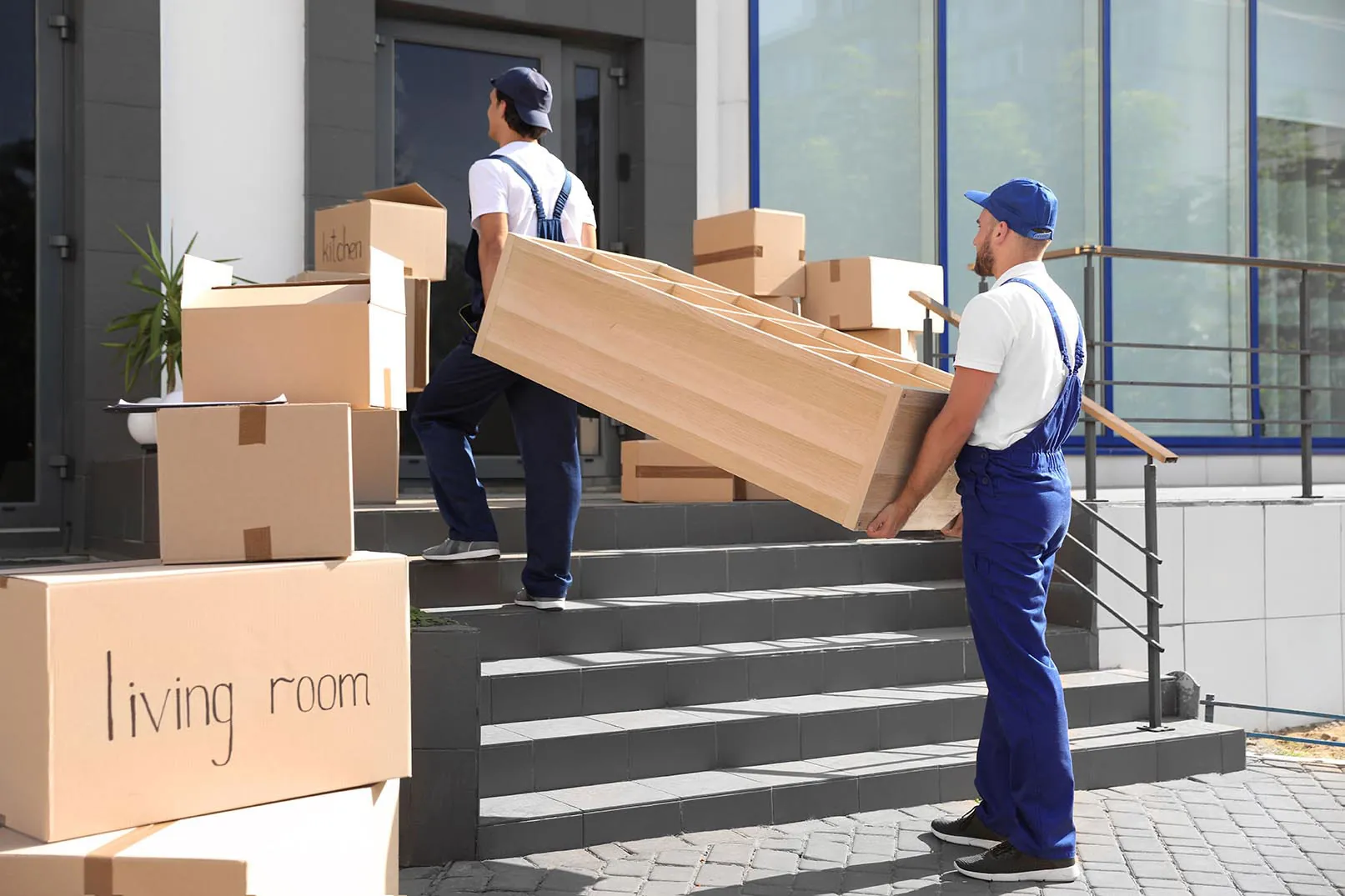
Carrying a large piece whole puts all its weight on its joints, and the joints are the weakest part. Beds rack, table legs loosen, and wardrobe backs pop their staples. The doorway usually loses too, with chipped architraves and scuffed walls the common result. If a piece will not go through and has not been dismantled, the crew has to stop and do it in the doorway, which costs time on the clock.
Which furniture usually needs to come apart
Not everything. Sofas, armchairs and chests of drawers normally travel whole, with the drawers emptied or taped shut. The pieces that almost always get dismantled are:
- Bed frames and bunk beds
- Cots and change tables
- Dining tables and large desks, at least the legs
- Wardrobes and bookcases that are taller than a doorway
- Glass-topped tables, where the glass travels separately
- Trampolines, swing sets and outdoor settings
- Wall units and modular entertainment units
If you are unsure, send your removalist a photo. They will tell you what needs to come apart and whether they will do it.
What movers will and will not dismantle
Removalists dismantle solid timber and metal furniture as a matter of course. Flat-pack furniture is the grey area. Particleboard weakens each time a cam lock or screw is removed, so some companies will dismantle flat-pack items only if you accept that they may not go back together as tightly, and some will not reassemble them at all. Fixed items such as wall-mounted televisions, mirrors screwed to the wall, and pergolas or sheds are usually outside a removalist’s job and need a handyman before moving day. Plumbed appliances, gas stoves and hard-wired light fittings also need a tradesperson to disconnect them first.
How to prepare furniture yourself
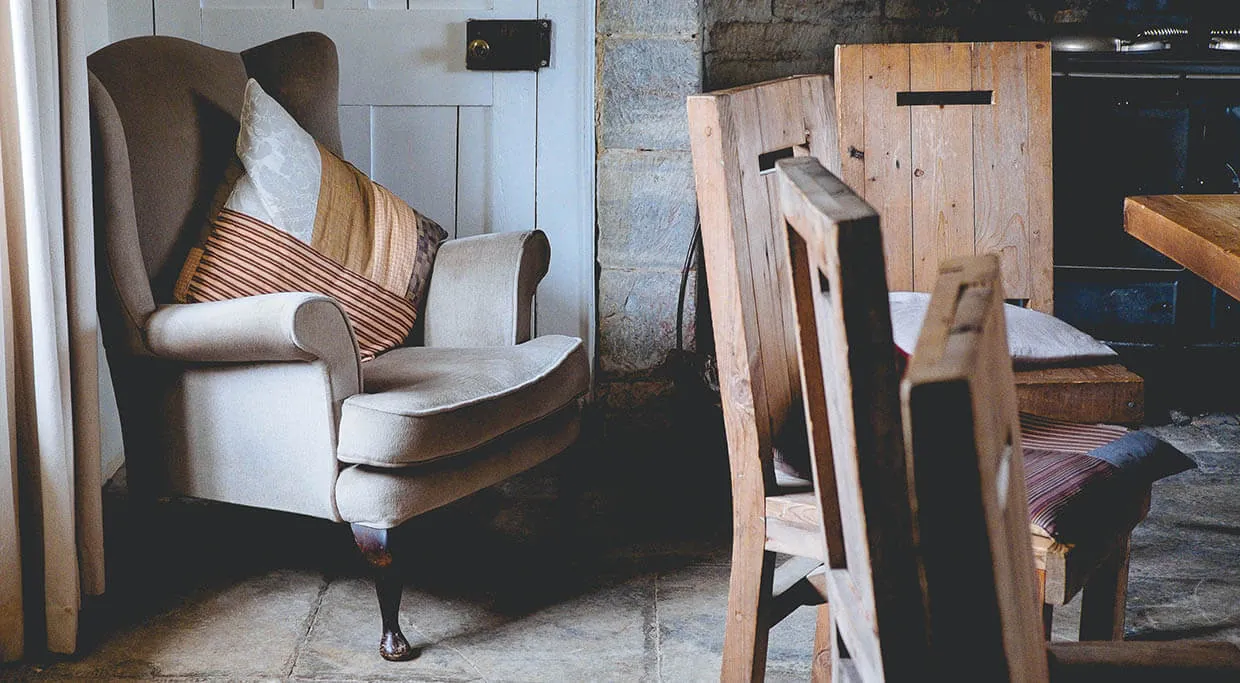
If you want to save time on the day, or your removalist charges extra for dismantling, here is how to do it without losing anything.
Gather the tools first
A Phillips and a flat screwdriver, a set of Allen keys, an adjustable spanner and a rubber mallet cover most furniture. Keep them in one bag that travels in your car, not on the truck, so you have them at the other end.
Photograph each step
Take a photo before you remove anything and again at each stage. Reassembly is far easier with a record of which bolt went where.
Bag and label the hardware
Put the screws, bolts, cam locks and dowels for each piece in a zip-lock bag, label it, and tape the bag to the piece it belongs to. Loose hardware in a box is the most common reason a bed cannot be rebuilt on the first night.
Work on one piece at a time
Finish, bag and wrap one item before starting the next. Mixed-up parts from two beds look identical until you try to fit them.
Protect surfaces
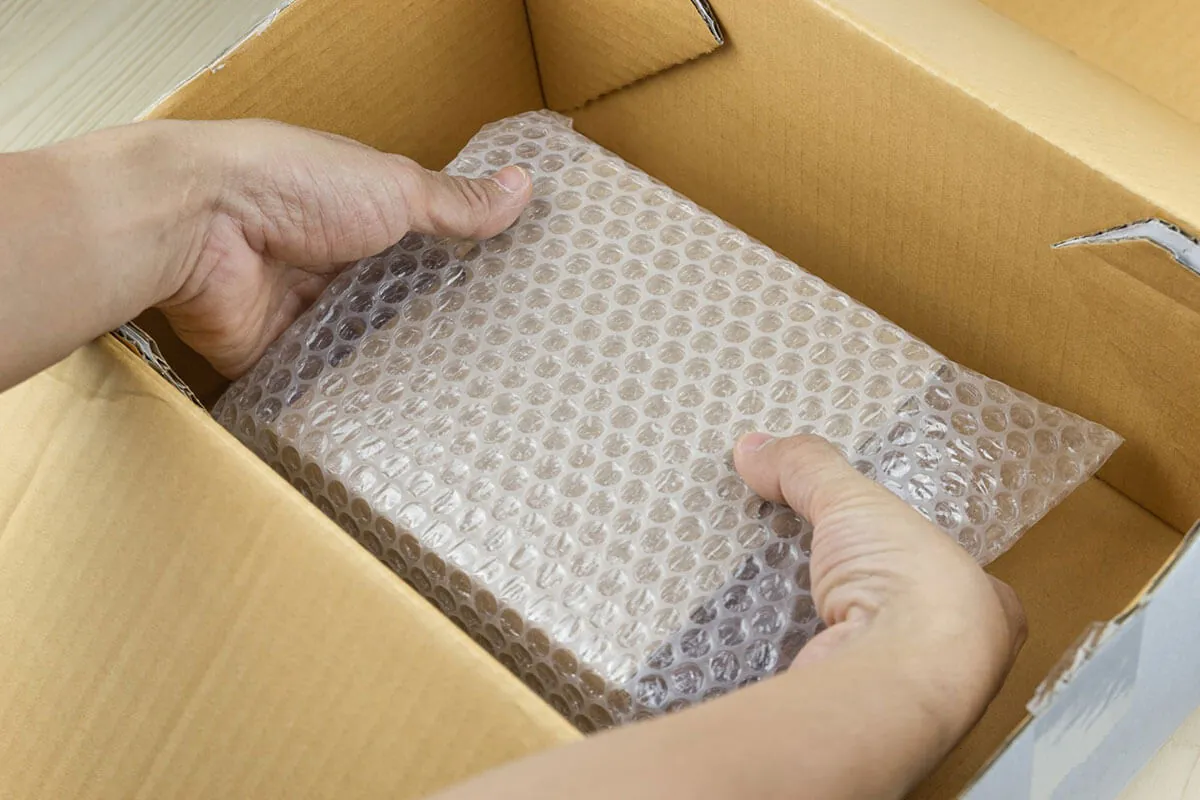
Lay a blanket on the floor before you turn a table upside down, and wrap glass tops, mirrors and detached legs separately in blankets or bubble wrap.
Leave the heavy lifting to the crew
Dismantling is the safe part. Carrying a wardrobe carcass down the stairs is where backs get hurt, so leave that to the removalists.
Tell the crew what you have done
When you confirm the booking, list the pieces you have already taken apart and the ones you are leaving for the crew. That lets the removalist allow the right amount of time, bring the tools for what is left, and load the flat panels first so they sit against the truck wall.
How Careful Hands Movers handles dismantling
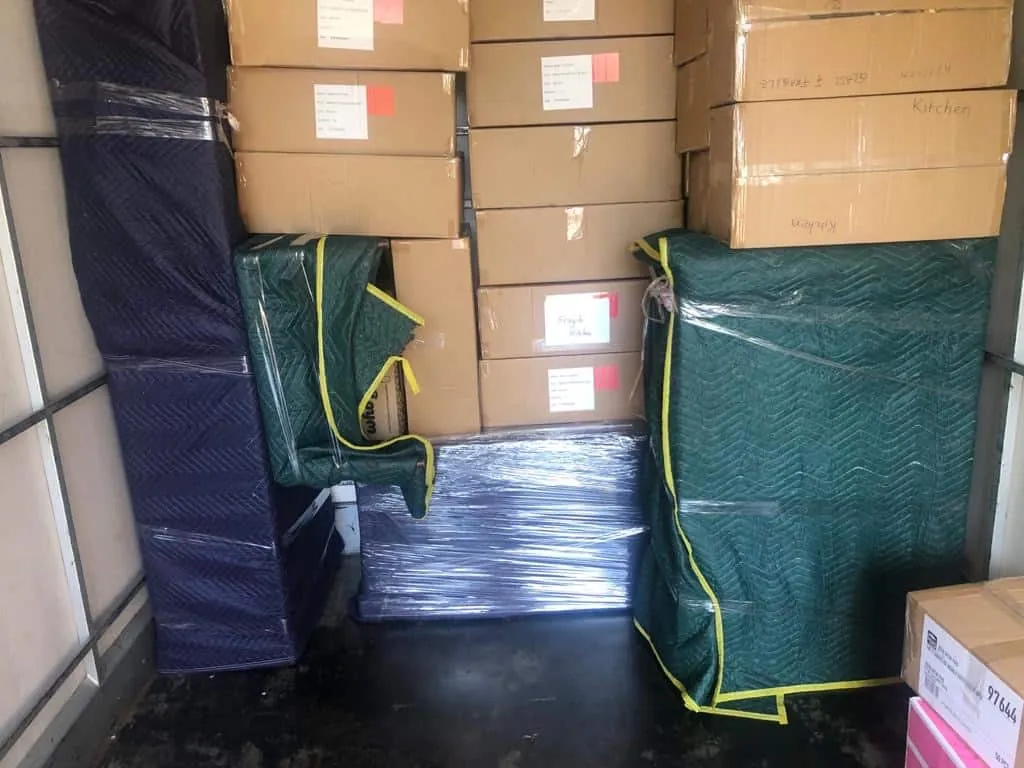
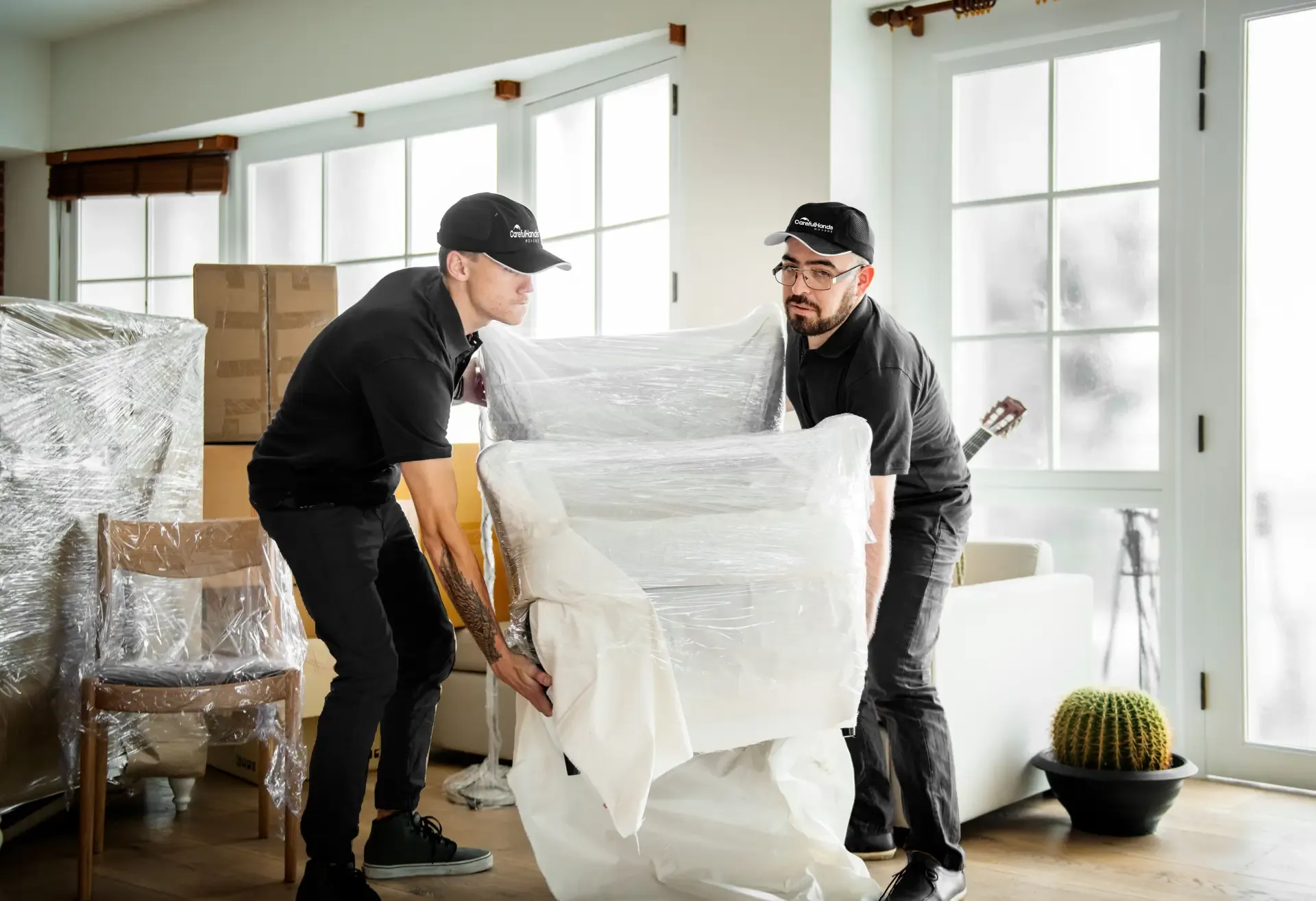
Our crews dismantle beds, tables, wardrobes and desks at the old address and reassemble them at the new one, and each piece is wrapped in blankets and plastic and strapped in the truck for the drive. Local moves are charged by time, so the dismantling happens on the same clock as the loading rather than as a separate job, and a supervisor leads every move. We dismantle solid timber and metal furniture as a matter of course, and we will tell you before the day if a flat-pack piece is unlikely to go back together as tightly. If you would rather we packed the rest of the house as well, that is covered by our packing services. Quotes are free and obligation-free. See our Melbourne removalists page for how a local move runs.
Moving Tips and Tricks
Discover efficient packing strategies, organisation hacks, and expert advice to streamline your moving process and ensure a smooth transition.

What to Look for When Booking Moving Trucks
Before you rent a moving vehicle, you should know a few things. The process might seem straightforward – you walk in, select the size of the truck or van you need, pay for it and then drive away. But in reality, there’s quite a bit more to consider.
View Article